The ECM Sound

By Carl Glatzel, Editor

The sounds contained in certain ECM recordings are evocative of the stark, oftentimes abstract, artwork that grace their covers. At the core there is a consistent sound that binds most vintage ECM recordings. It’s one of reflection and meditation rooted in a northern European melancholy. Major players, Ralph Towner, Eberhard Weber and John Surman are the keepers of that flame. For decades these jazz veterans have established and exercised the ECM sound. They’ve managed to create a musical brand unique to their own personal pursuits all the while unifying a label’s output.

solstice_album_cover
Solstice, 1975, allows one to delve deep into the Northern European aesthetic of the ECM sound.

With a multitude of introspective compositions in both solo and group settings, Towner cements himself as a pillar of the ECM sound.

Stepping out of his longtime association with the genre-bending group, Oregon, guitarist Ralph Towner began his long-time association with ECM in 1973. Along with his technical prowess Towner brought with him an established artistic direction and personal sound which meshed naturally with his new label mates. Towner outputted several solo albums which showcase his virtuosity on classical guitar as well as his uncanny talent for writing. With a multitude of introspective compositions in both solo and group settings, Towner cements himself as a pillar of the ECM sound. Some standout sessions are 1978’s Batik with legendary bassist Eddie Gomez, 1979’s Solo Concert with its excellent covers of John Abercrombie’s Timeless and the Bill Evans-associated “Nardis”, 1989’s City of Eyes and 1995’s Lost and Found. Towner continues his visionary association with the label to this day.
later_that_evening_album_cover
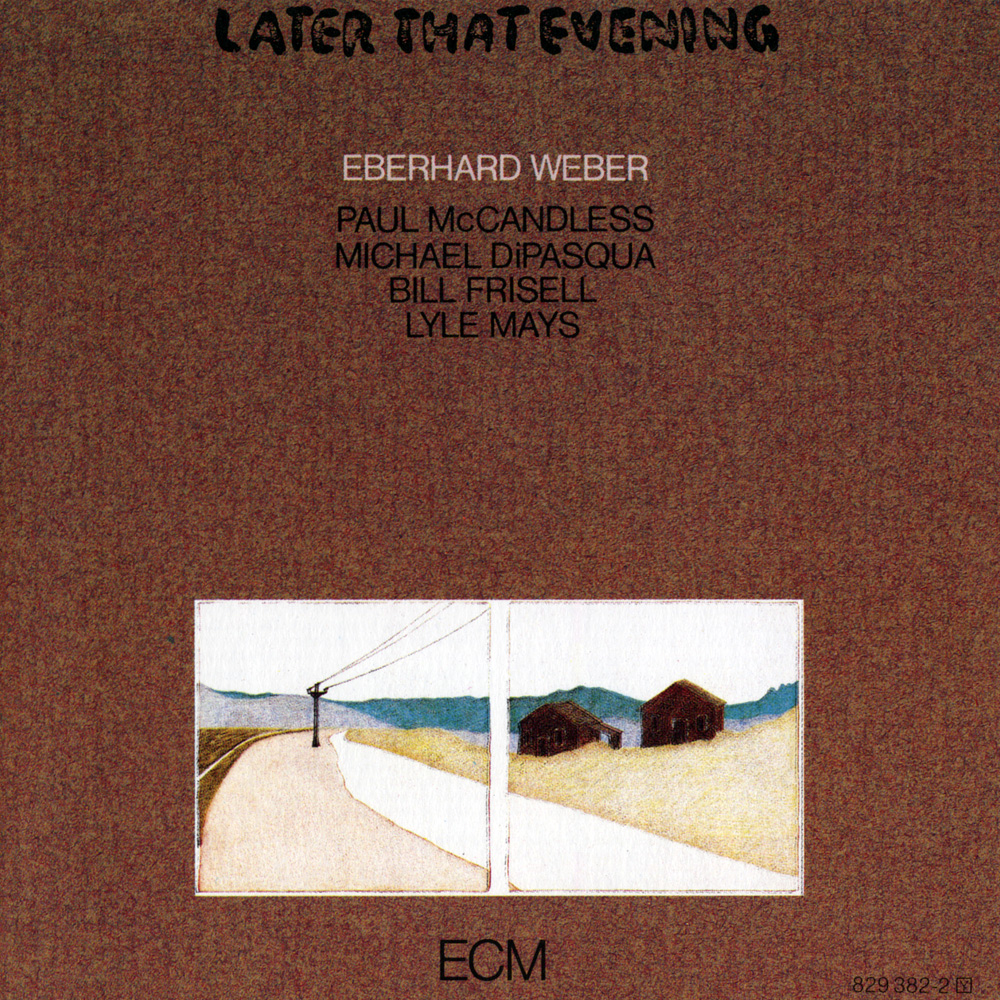
Later That Evening, 1982, is one of many excellent outings by Weber in the lates-70s and early-80s.

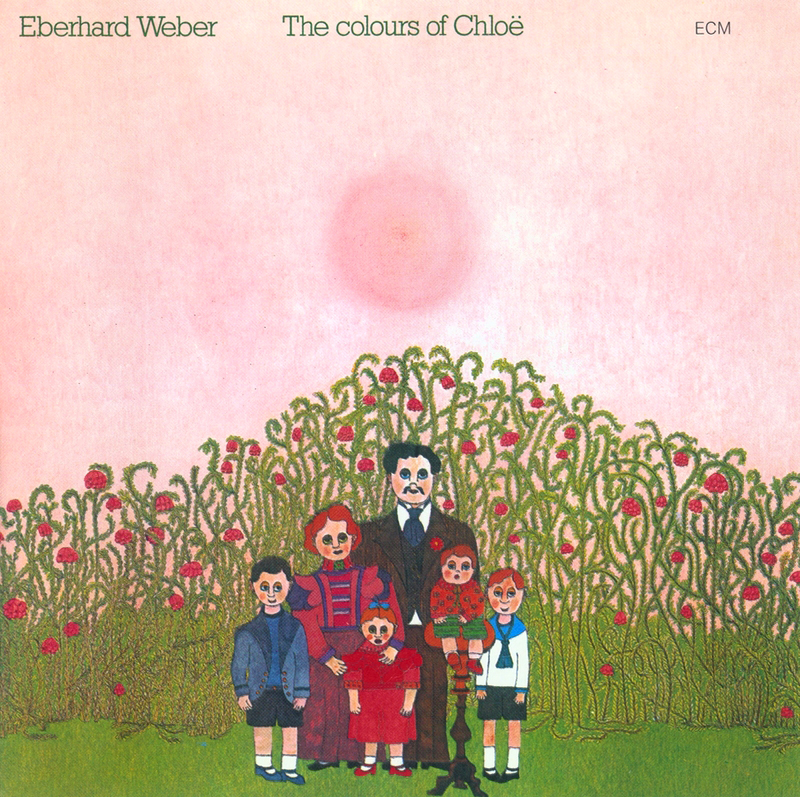
German bassist, Eberhard Weber, brings a wholly-unique approach to the label. Weber’s background in mainstream jazz changed dramatically with his appearance on ECM in 1973 with his classic recording, The Colours of Chloe. Weber is a true virtuoso in every sense of the word, pushing the envelope on his own instrument and venturing into new sonic territory. He took initiative to re-construct his own instrument to suit his personal playing style, adding one then two strings to his double bass. The resulting effect is near magical โ€” long, fluid lines seemed to dance off the fingerboard giving them a life of their own. His standout recordings usually include his working group Colours. 1975’s excellent Yellow Fields catches the bassist with feet in both reflective and faster-paced settings. On 1976’s The Following Morning Weber’s bass proves to be a subtle beacon in the gray mist that is the 10-minute “T. On A White Horse”. His playing here is indicative of what he brought to the label โ€” a floating, elevated and cerebral sound that relies as much on space as it does technical virtuosity.

private_city_album_cover
Private City, 1987, situates itself in a timeless stateโ€”a place that Surman comfortably inhabits.

Last, but certainly not least, is English clarinetist John Surman. Having had experience outside the jazz mainstream before joining the label in 1979, Surman brings a sense of restless exploration. His recordings define the ECM sound in yet another light โ€” one of experimentation and wanderlust. Surman’s playing is akin to that of a medieval minstrel, with storytelling at its core. Armed with soprano, baritone and bass clarinets Surman makes use of overdubs and synthesizers to round out most of his solo efforts. Although he also shines in group settings its his one-man shows that showcase his unique compositional style and depth of playing. Titles such as 1979’s Upon Reflection, 1984’s Withholding Pattern and 1996’s A Biography of the Rev. Absalom Dawe expose his inventive soloing and tasteful use of electronics. Surman’s style lends itself to other genres as well, having ventured into classical territory. Works by Elizabethan lutist John Dowland are among some of his more popular achievements on ECM, offering proof of his flexibility and range as an elite instrumentalist.

Surman’s playing is akin to that of a medieval minstrel, with storytelling at its core.

One may find the only obstacle in truly appreciating the recordings by these modern masters is a lack of time. Time to focus on nuances, time for introspection and time for further investigation.

Donate to JazzSherpa

Help support this jazz blog and make a small donation to help purchase material to review.

$5.00


Please visit the JazzSherpa Bodega for great looking jazz merch and support jazz wherever you are.
David Sylvian and ECM

By Carl Glatzel, Editor

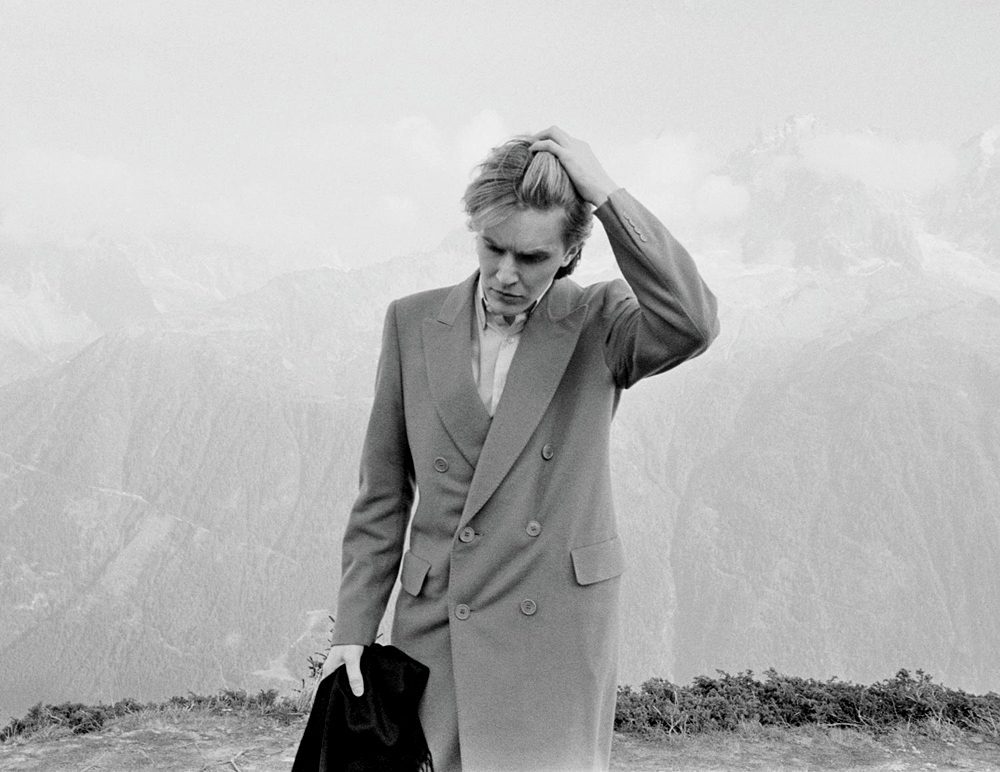
David Sylvian, former frontman for the highly influential post-punk band Japan (1977-1983), surprisingly held certain jazz artists in high regard. Upon starting his solo career, Sylvian brought with him his unique vocal talents, strong songwriting abilities and his unrelenting interest in experimentation. His new solo direction offered textures and moods strikingly different from those of his former band.

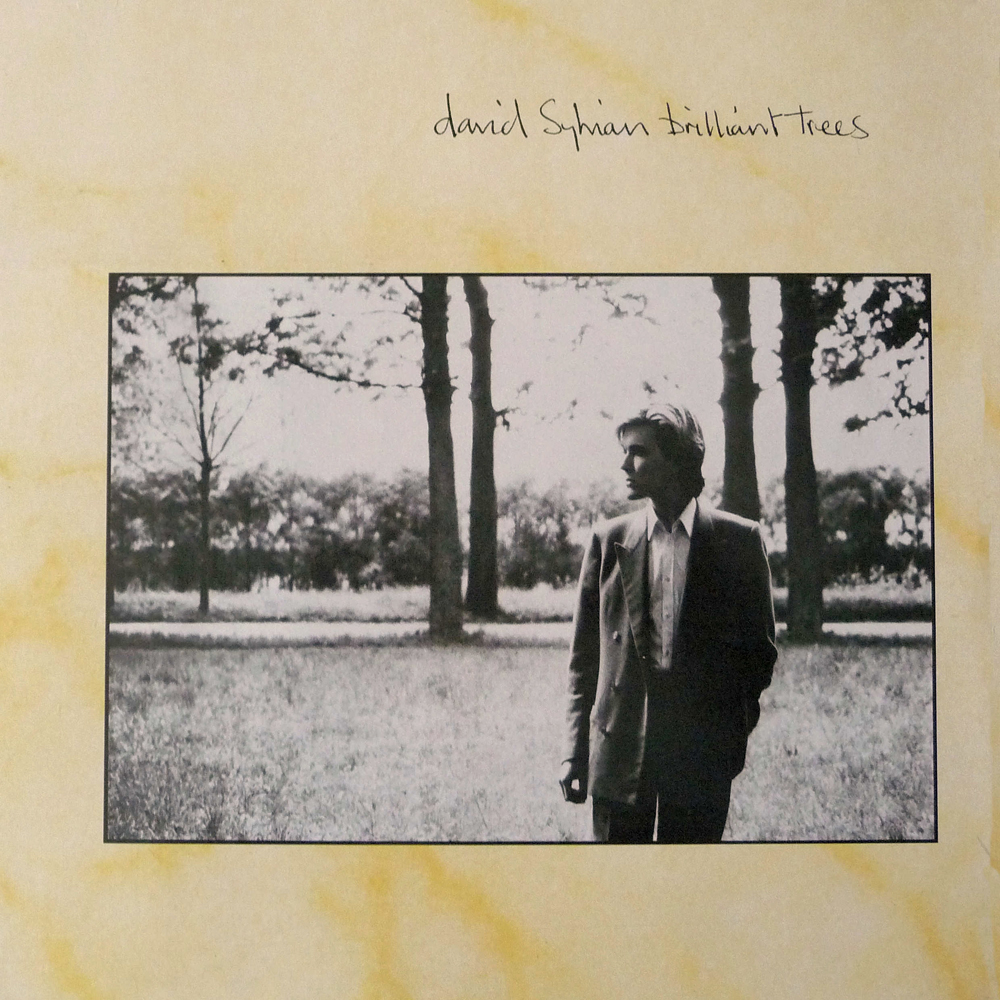
brilliant_trees_album_cover
Brilliant Trees, 1984

On his first few albums he tapped the virtuosity of some well-known musicians from the ECM label. Sylvian’s output displayed some similarities to the subdued ECM aesthetic. It was oftentimes quiet, dark and very personal. His tastes in composition and arranging also displayed many similarities to the Munich-based label. Mixed use of acoustic and electronic instruments to create a unique soundscape was standard at ECM. It was Sylvian’s own velvety voice which kept his music instantly recognizable and undeniably his own. His use of brass in some of his early albums helped to establish and reinforce his maturity as a composer and major artist in his own right.

Mixed use of acoustic and electronic instruments to create a unique soundscape was standard at ECM.

In 1984’s Brilliant Trees Sylvian begins the process by adding the distinguished trumpets of Jon Hassell and Kenny Wheeler to the mix. From the buoyant opener “Pulling Punches” with its slap bass fills, there is a concerted effort to use brass for coloring. The moodier “Ink in the Well” uses trumpet to an even greater effect, allowing a freer interplay with the leader.

On “Weathered Wall” we hear trumpet played with effects. Along with a mix of drums, keyboard, tape and the leader’s vocals this track displays a hallmark โ€” a truly unique sound to Sylvian. Effects-laden trumpet is again heard on the heavy-synth “Backwaters” and the longer title track.

alchemy_an_index_of_possibilities_album_cover
Alchemy โ€“ An Index of Possibilities, 1985

By 1985 Sylvian had already changed his colors, reaching for something totally different. His album Alchemy โ€“ An Index of Possibilities again employed the trumpet talents of Jon Hassell and Kenny Wheeler. Comprised of three long tracks we hear Sylvian laying down a clear foundation for Eno-esque atmospherics, something he would return to in later years.

gone_to_earth_album_cover
Gone To Earth, 1986

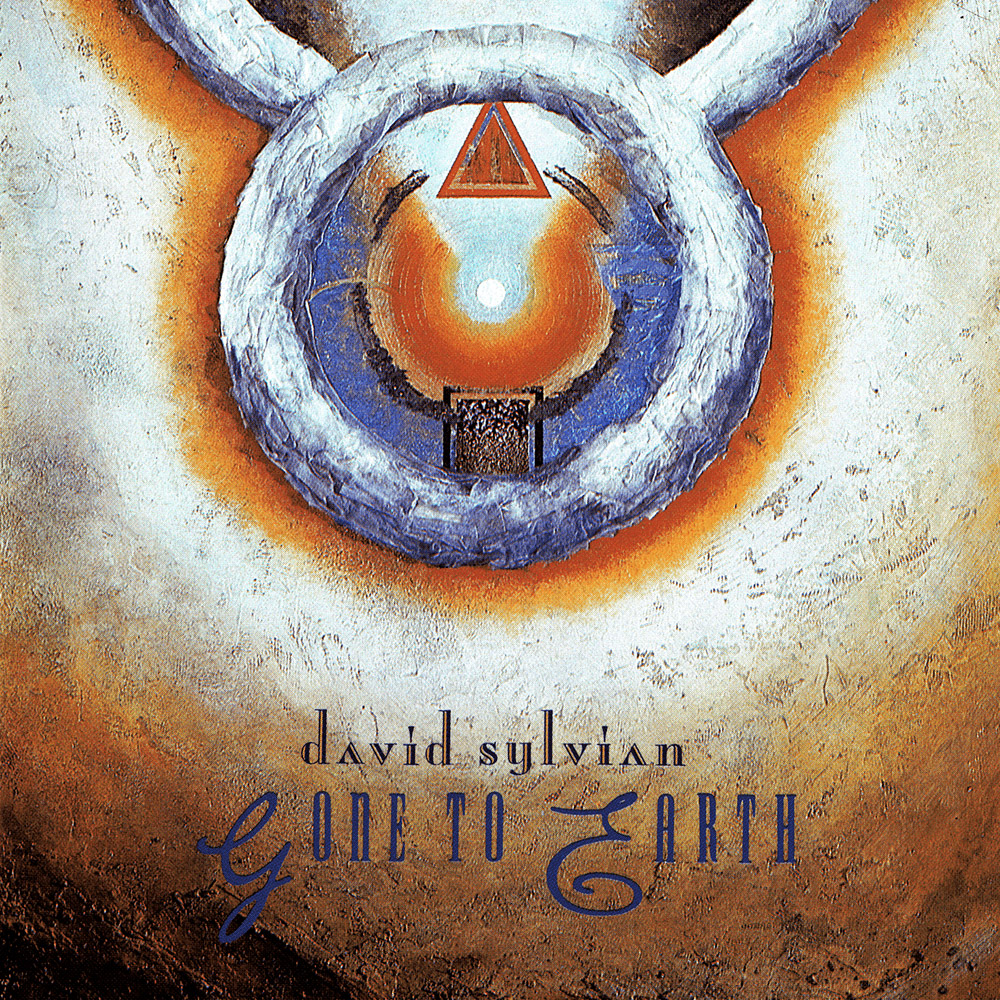
On 1986’s double album Gone to Earth we hear vintage ECM-style musings of Kenny Wheeler on the second track “Laughter and Forgetting”. A trumpet solo on “Wave” is played competently with effects in what has already become a Sylvian staple. Ten of the 17 tracks are dedicated to instrumentals where long compositions take on an ambient air.

secrets_of_the_beehive_album_cover
Secrets of the Beehive, 1987

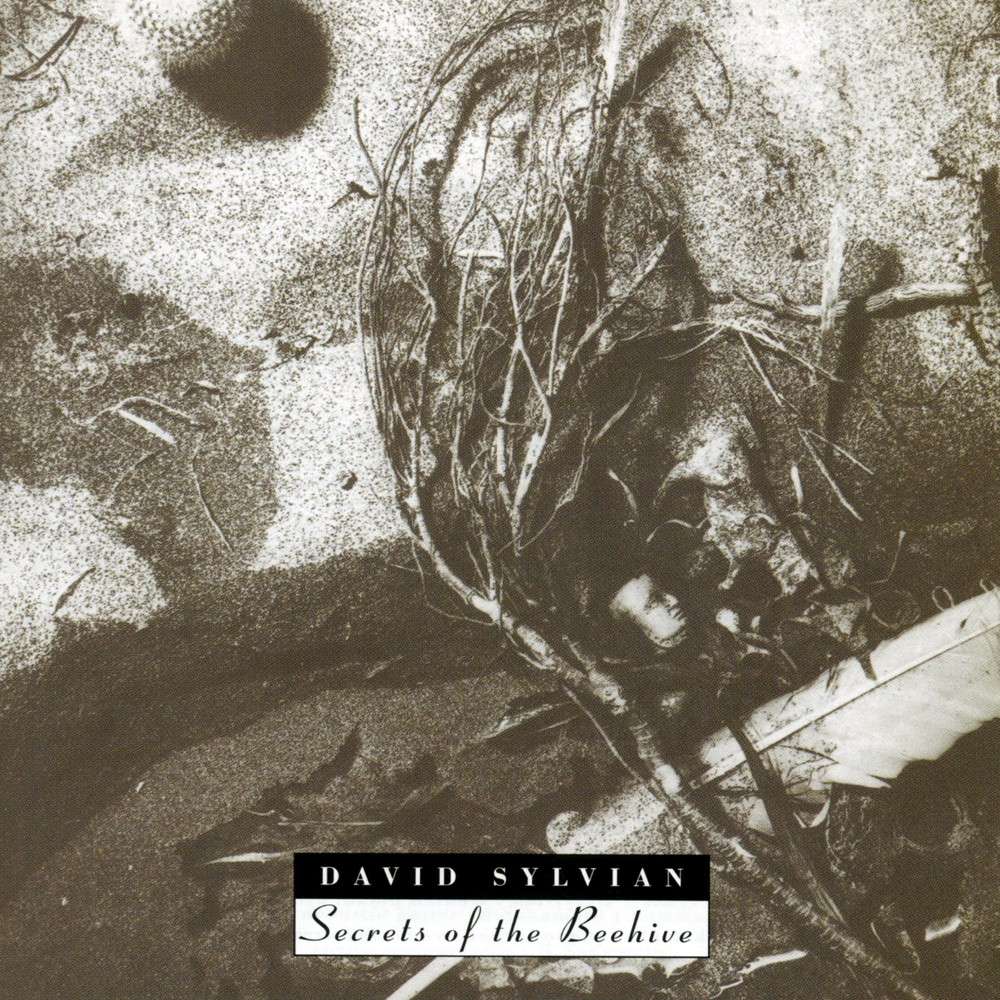
1987 produced what is sometimes referred to as Sylvian’s greatest and most personal achievement, Secrets of the Beehive. On this mostly acoustic album we hear the trumpet of Mark Isham. His horn sounds like a rising phoenix on the excellent track “Orpheus”. Although we hear Isham’s solo trumpet only briefly on this album it’s effect is lasting and adds to the well-rounded arrangements supplied by the critically-acclaimed composer Ryuichi Sakamoto. There is a muted appearance by Isham on the lazy “Let the Happiness In”. His trumpet meanders slowly down a path with the leader’s vocals creating a relaxed environment.

Sylvian’s early sound displayed an uncanny similarity to the ECM aesthetic.

Although Kenny Wheeler appears on 1999’s Dead Bees on a Cake, the 80s witnessed most of Sylvian’s arrangements for brass. His most recent albums explore a more minimalistic and clinical approach, quite opposite of his earlier recordings. Sylvian’s early sound displayed an uncanny similarity to the ECM aesthetic. The addition of brass in these pioneering, early-career sessions cement Sylvian’s compositions in this world โ€” one distinctly made by human endeavor.

Donate to JazzSherpa

Help support this jazz blog and make a small donation to help purchase material to review.

$5.00


Please visit Jazz Sherpa Outfitter and support jazz wherever you are.